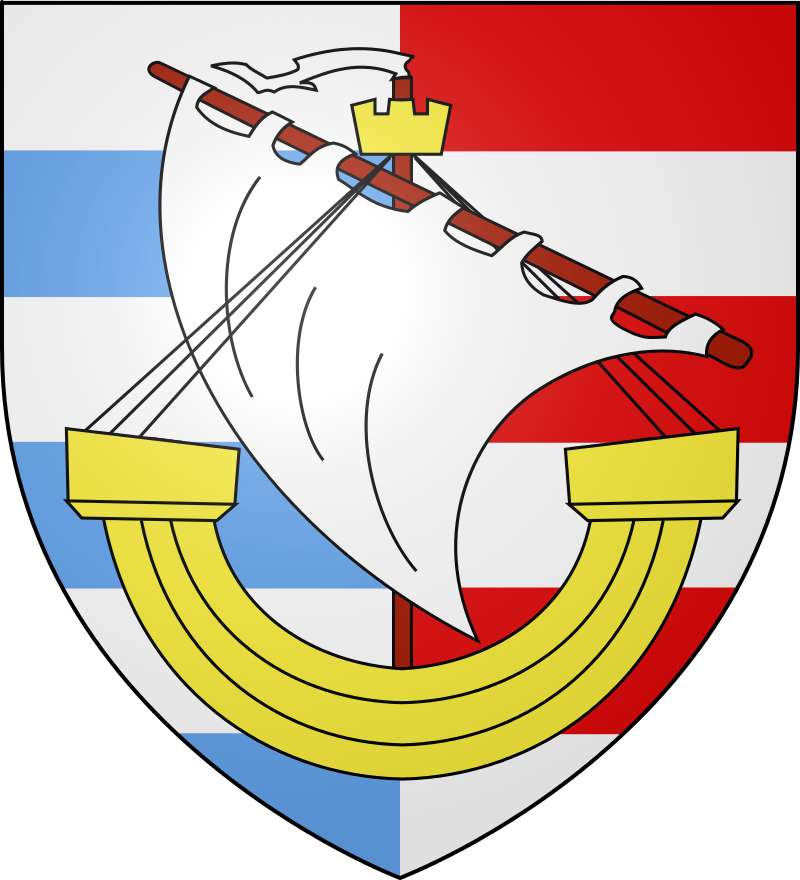
At the arrival of the Order of St John in Malta, a particular cultivated garden was among the few places observed. A vital spring for the Grand Harbour was located on site. It is thought a foundry of the Order may have been located at Marsa. During the Great Siege of Malta of 1565, Marsa was used as a camp by troops of the Ottoman Empire. Following their defeat, Marsa became a barony containing a number of vineyards. A noteworthy bridge was located in Marsa which facilitated the road from Birgu to the area of Valletta and vice versa.
In the 17th century a historical museum, the Museo di San Giacomo, was located at Marsa. This was created when Giovanni Francesco Abela converted his house into a museum and was the first of its type on Malta. Many of its artefacts are now held at the National Museum of Archaeology in Malta’s capital city Valletta.
During the French blockade of 1798-1800, Maltese insurgents built Marsa Battery and Jesuit Hill Battery in Marsa to encircle the French in the Grand Harbour. Both batteries were demolished after the end of the blockade.
A new port was constructed in the 1860s under the rule of the British Empire. It was intended that a town would be built at the site under the name Albert Town, named after Prince Albert. By 1890 the town had a population of over 600 people, but it was later abandoned. A new town at the site emerged in the 20th century, taking the name Marsa after the creek.